
 Nederlands
 Français
 Deutsch
 Polski
 Italiano
 Svenska
 Español

Adjustable Pendant Lights: A Smart Solution for Flexible Lighting
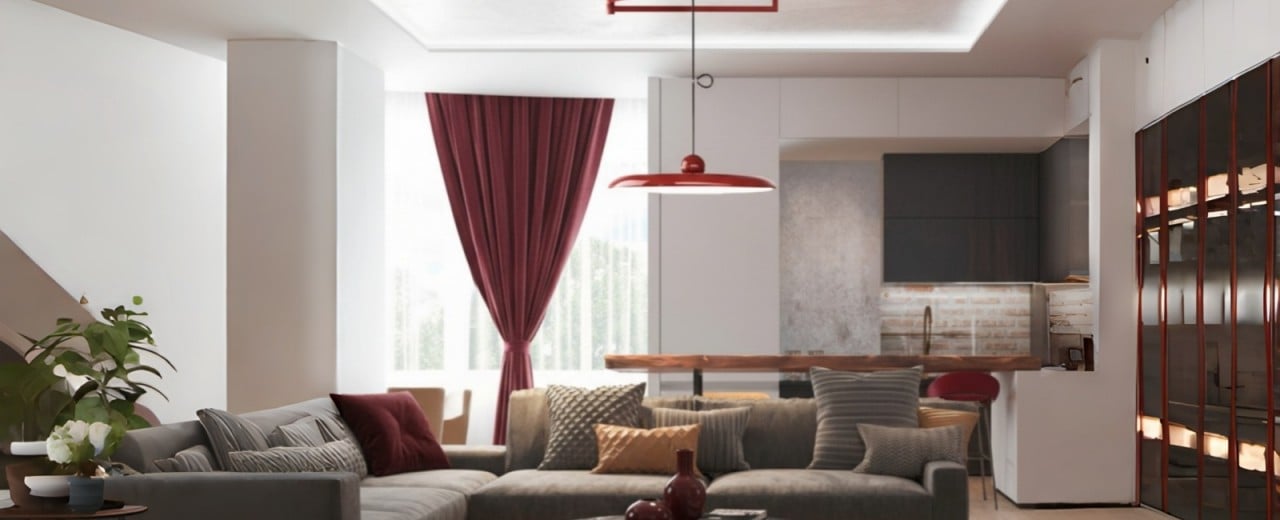
As homes become more flexible, lighting has to work harder too. A pendant that can shift direction is often more useful than a fixed overhead light, especially in rooms that support dining, reading, and work at different times of day.
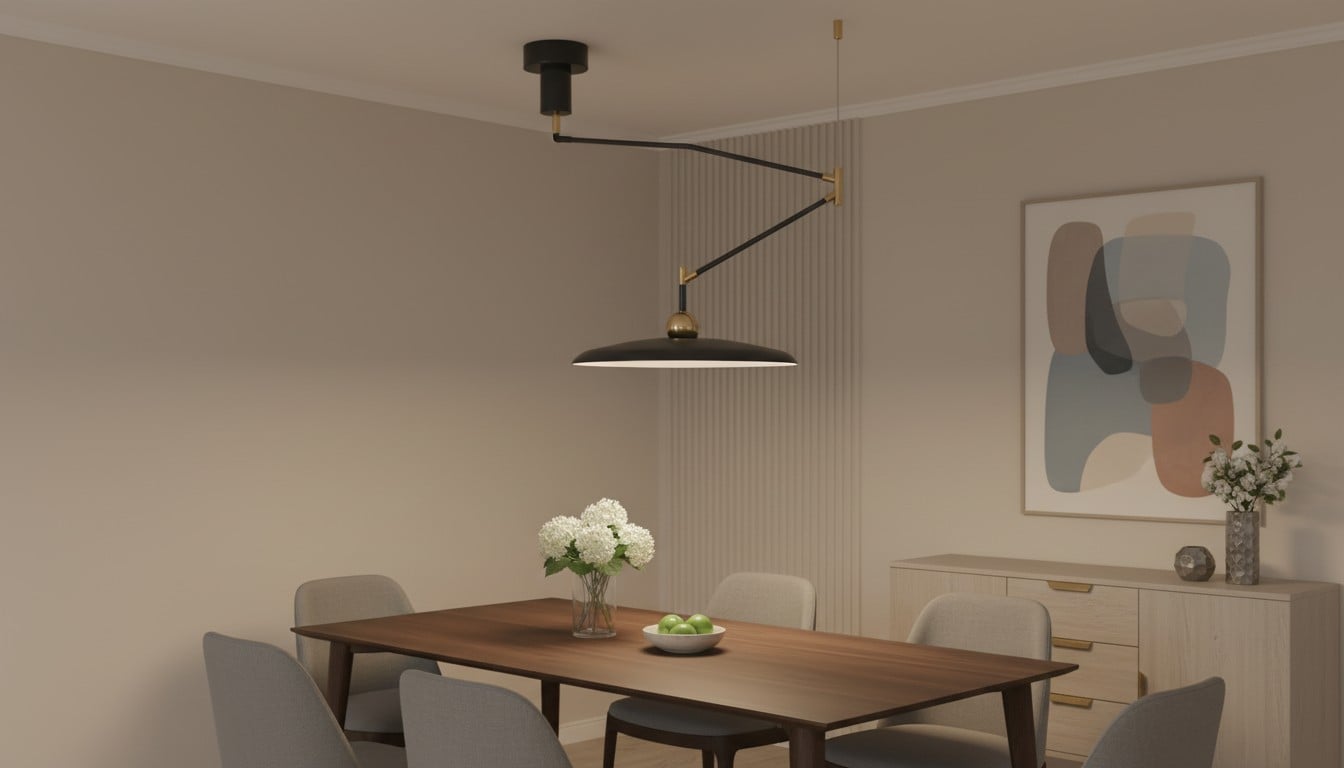
Modern living spaces rarely serve just one function anymore. A dining table may also become a laptop station. A quiet corner may turn into an evening reading zone. Because of that, fixed lighting does not always feel like enough.
In multi-use rooms, an adjustable pendant light can be a much smarter choice than a standard centered fixture. Instead of sending light to only one place, it gives the room a little more flexibility without adding floor lamps or visual clutter.
Why Flexible Lighting Matters More Now
People often think about lighting as a background decision, but it strongly affects how usable a room feels. When the light is always locked into one direction, you may end up rearranging furniture around the fixture rather than the way you actually live.
Adjustable pendants reverse that logic. They support the room as it changes during the day, whether that means illuminating a table more directly in the evening or shifting visual focus toward a reading chair or side area.
Why flexibility matters
In smaller homes or multi-use rooms, one movable pendant can often do the work of several more static lighting decisions, which keeps the room simpler and visually cleaner.
Understanding Ambient vs Task Lighting
A helpful beginner distinction is this: ambient lighting supports the room overall, while task lighting helps with a specific activity such as reading, writing, or dining. Adjustable pendants can sit somewhere in between.
When directed more centrally, they support general room use. When angled with intention, they can behave more like focused task lighting. That makes them especially practical for homes where one zone has to support multiple routines.
Where Adjustable Pendants Work Best
Reading Corners
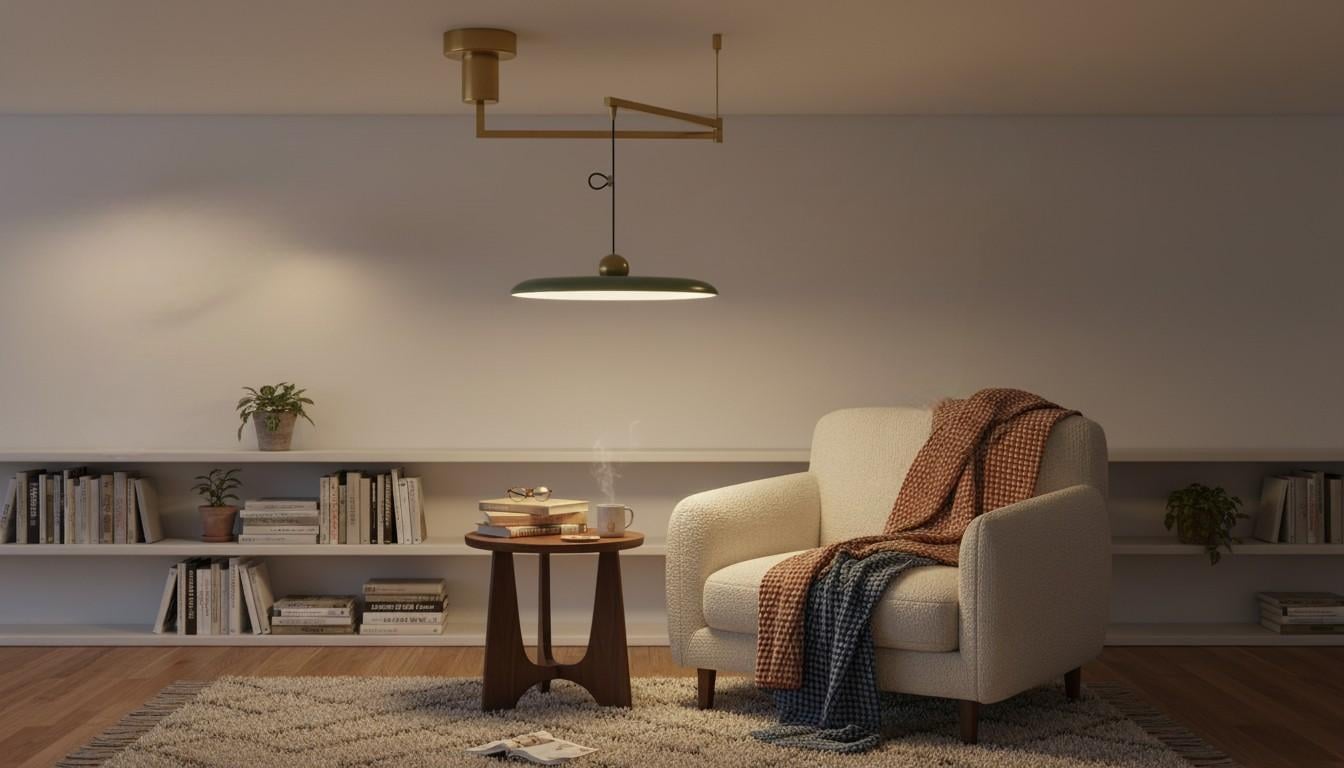
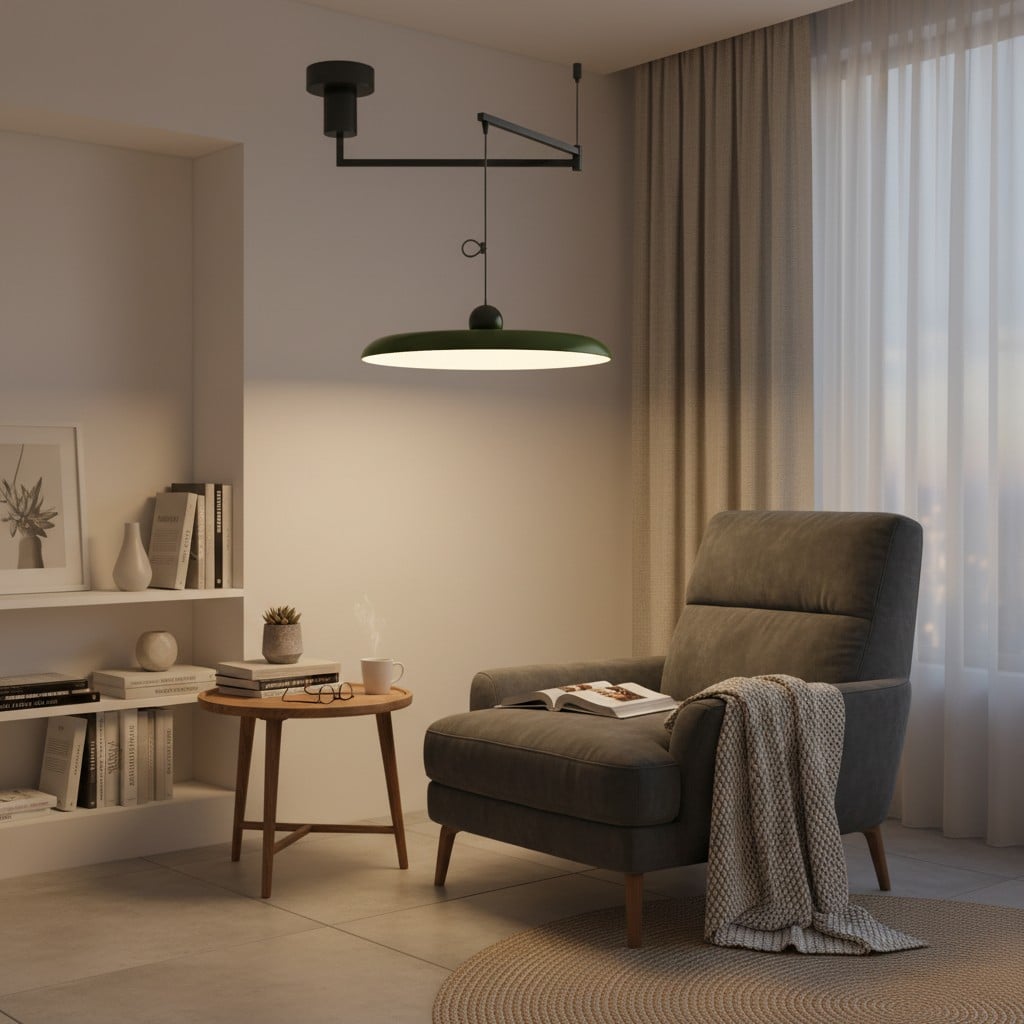
A reading area needs light that feels precise enough to be useful but soft enough to stay relaxing. In a corner like this, this swing-arm pendant style makes sense because the light can be guided toward the seating area instead of floating too far overhead.
Dining Tables
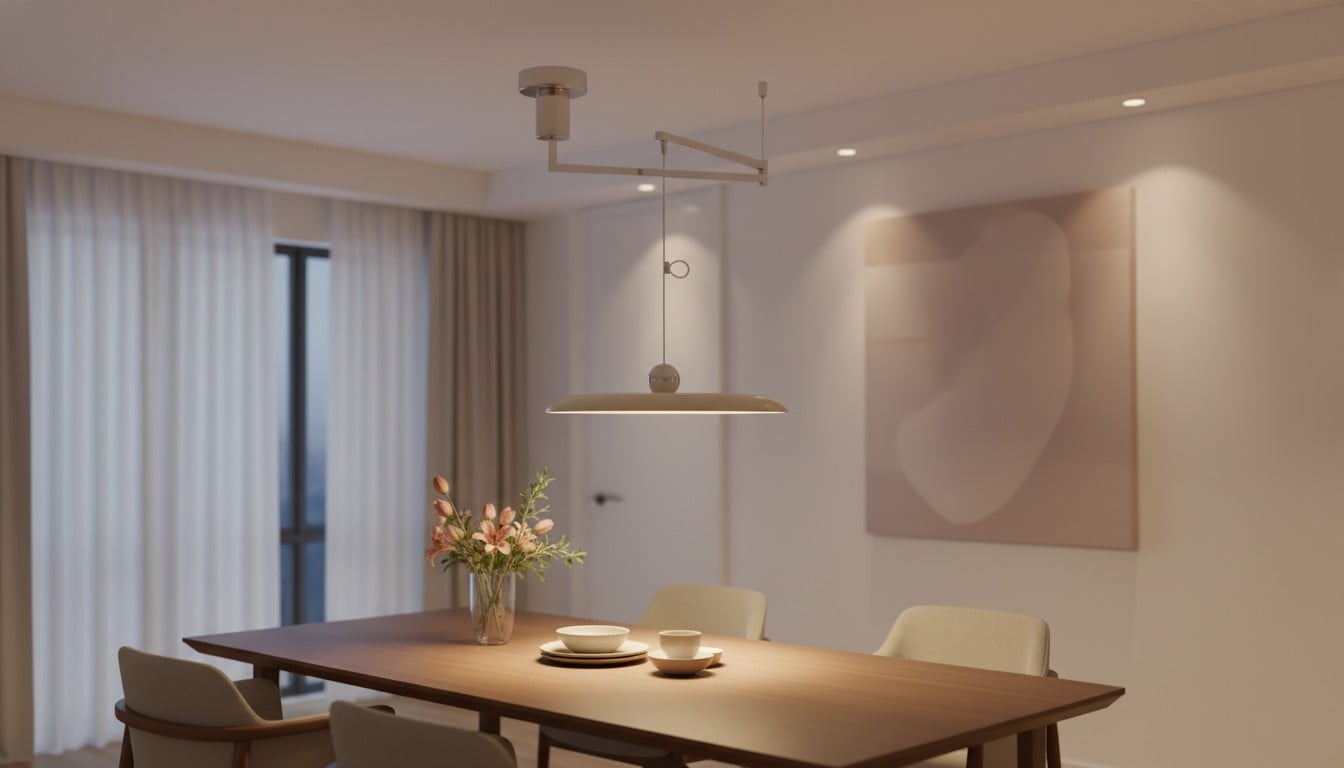
At dinner time, people usually want a centered, comfortable light. Earlier in the day, the same table may become a work surface or homework zone. An adjustable pendant supports both uses more easily than a fixed fixture that only looks right from one angle.
Small Apartments
Compact homes benefit from anything that performs more than one role. Instead of layering multiple lamps into a limited footprint, one ceiling-mounted fixture with directional flexibility can help the room stay open and less crowded.
Why Minimalist Adjustable Lighting Feels So Current
Many adjustable pendants use clean lines and simple disc forms. That makes them easy to integrate into modern, Scandinavian, and minimal interiors. They feel intentional rather than technical, which is important if you want flexibility without a utilitarian look.
That balance is one reason this category has become more attractive to design-conscious homeowners. It solves a practical problem while still contributing to the room aesthetically.
What to Look For in an Adjustable Pendant
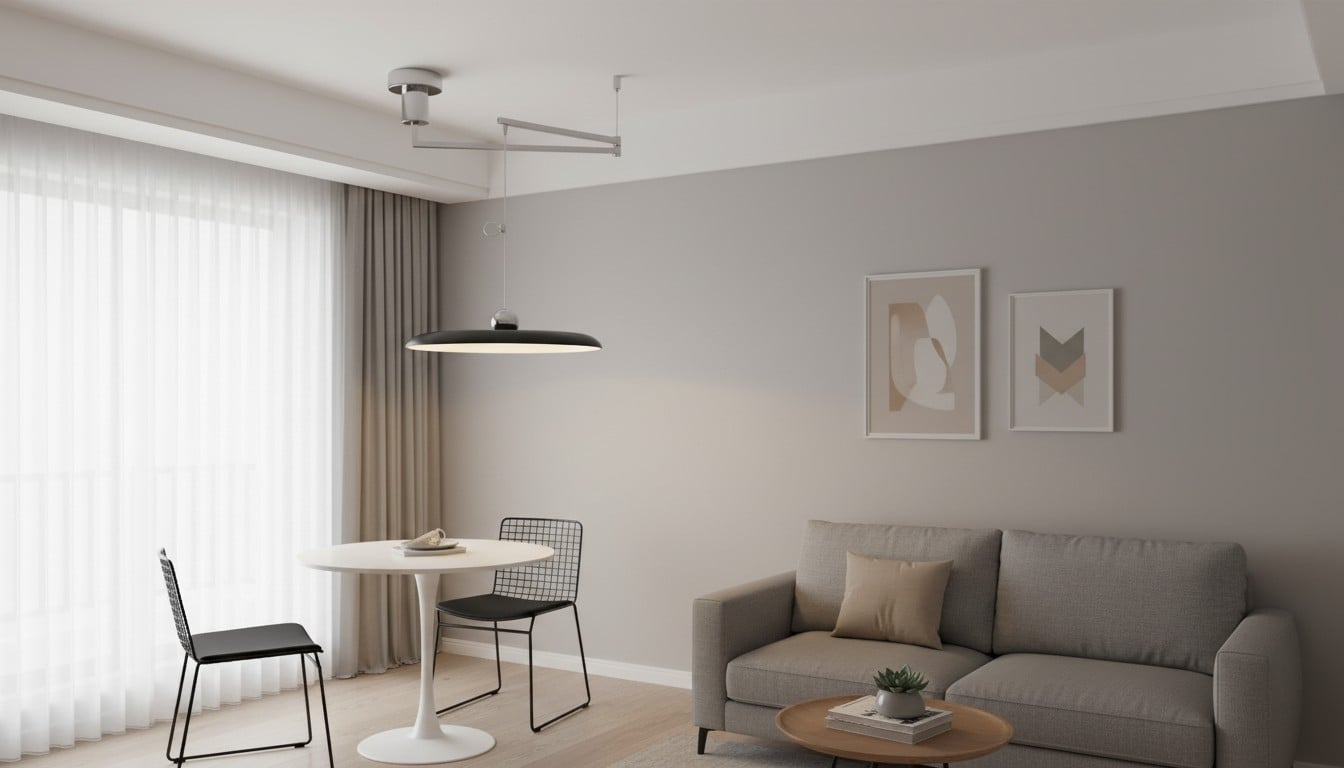
Not every movable fixture offers the same kind of flexibility. A useful one should have enough range to redirect the light where it actually helps. It should also feel visually balanced in both its centered and shifted positions.
- Look for a movement range that feels genuinely useful in daily life.
- Choose a shade that directs light clearly without feeling harsh.
- Make sure the scale still suits the room when the fixture is extended or angled.
For homes that regularly switch between relaxation and task use, that range of motion can make a noticeable difference in comfort.
Need a light that adapts with the room? A movable ceiling fixture can be a smart upgrade when your space supports more than one routine. You can see the adjustable design here if you want a cleaner alternative to adding more lamps around the room.
A Good Fit for Multi-Use Living
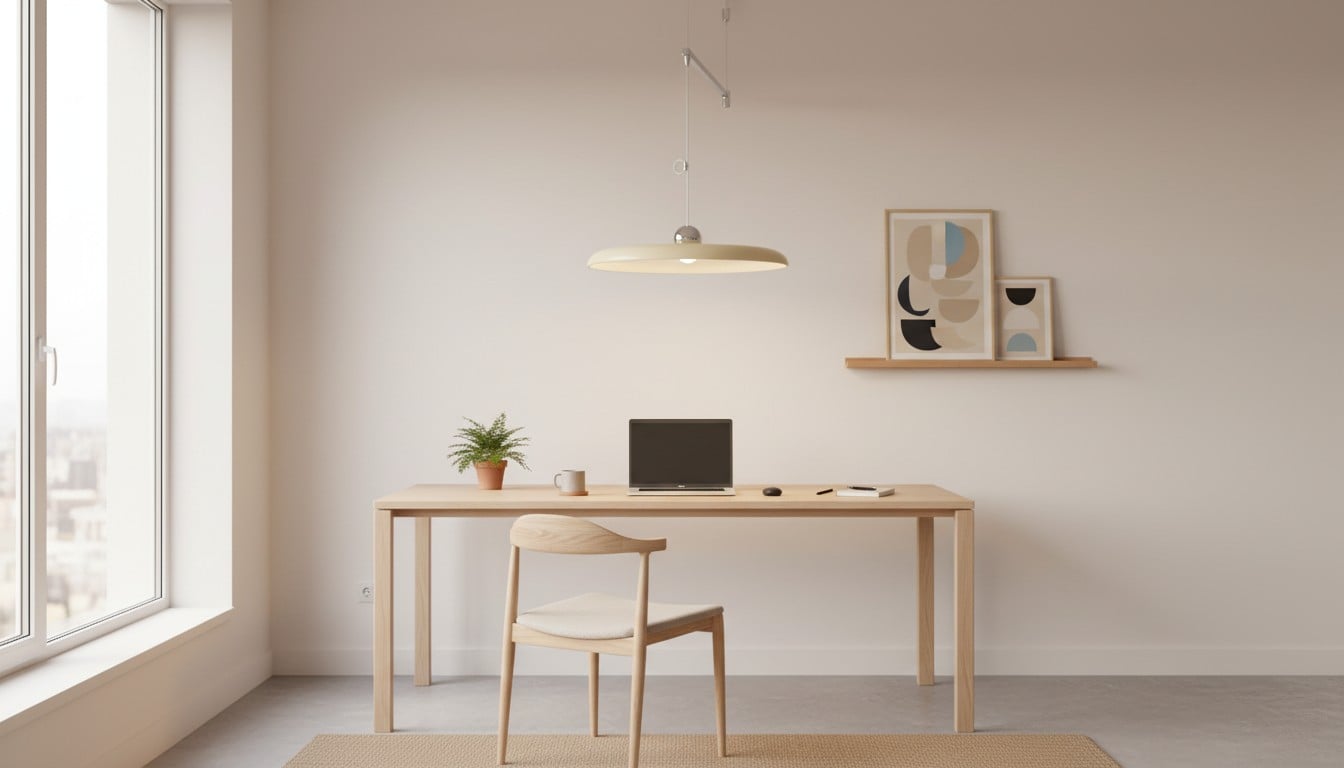
One of the biggest shifts in home design is that rooms are expected to be more adaptable than before. Lighting should support that shift rather than resist it. Adjustable pendants do that well because they combine overhead clarity with directional usefulness.
That makes them particularly appealing for dining spaces, reading nooks, smaller apartments, and homes where layout flexibility matters more than having a perfectly fixed focal point.
Final Thoughts
Adjustable pendant lights solve a practical problem in a visually clean way. They help a room respond to everyday life instead of asking everyday life to adapt to a fixed lighting position.
If you want a fixture that feels modern, flexible, and easy to integrate into contemporary interiors, it is worth taking a closer look at this category. You can explore this movable pendant here if you want a ceiling light that supports more than one use case gracefully.
0 comment(s)