
 Nederlands
 Français
 Deutsch
 Polski
 Italiano
 Svenska
 Español

Kitchen Island Lighting: Pendant Layout Rules Designers Use
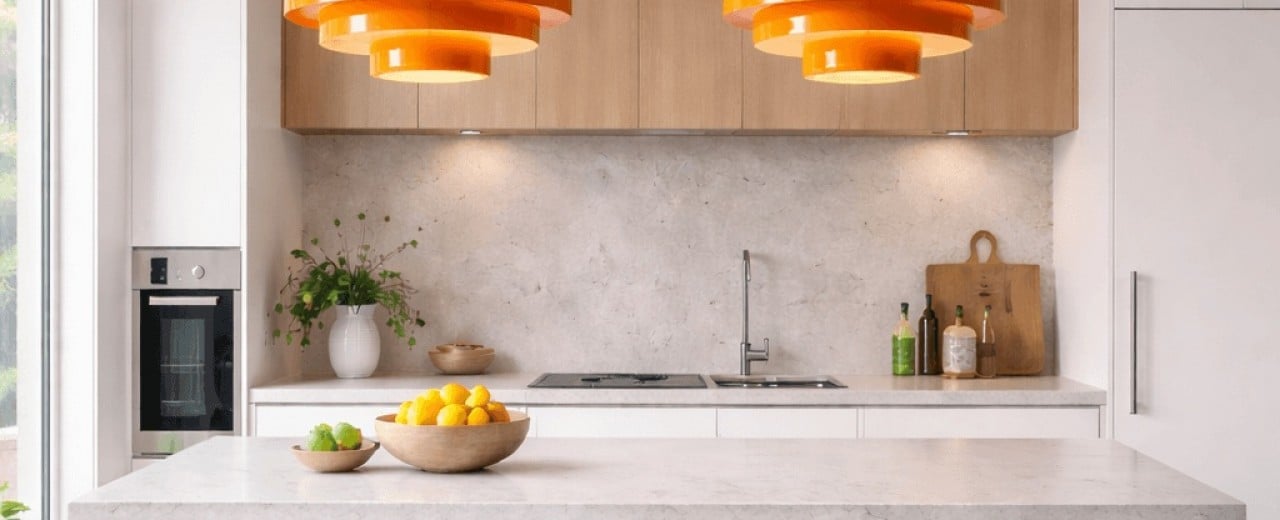
Pendant lighting over a kitchen island should feel balanced, comfortable, and intentional. The good news is that you do not need a complicated formula to get there. A few layout rules usually make the decision much easier.
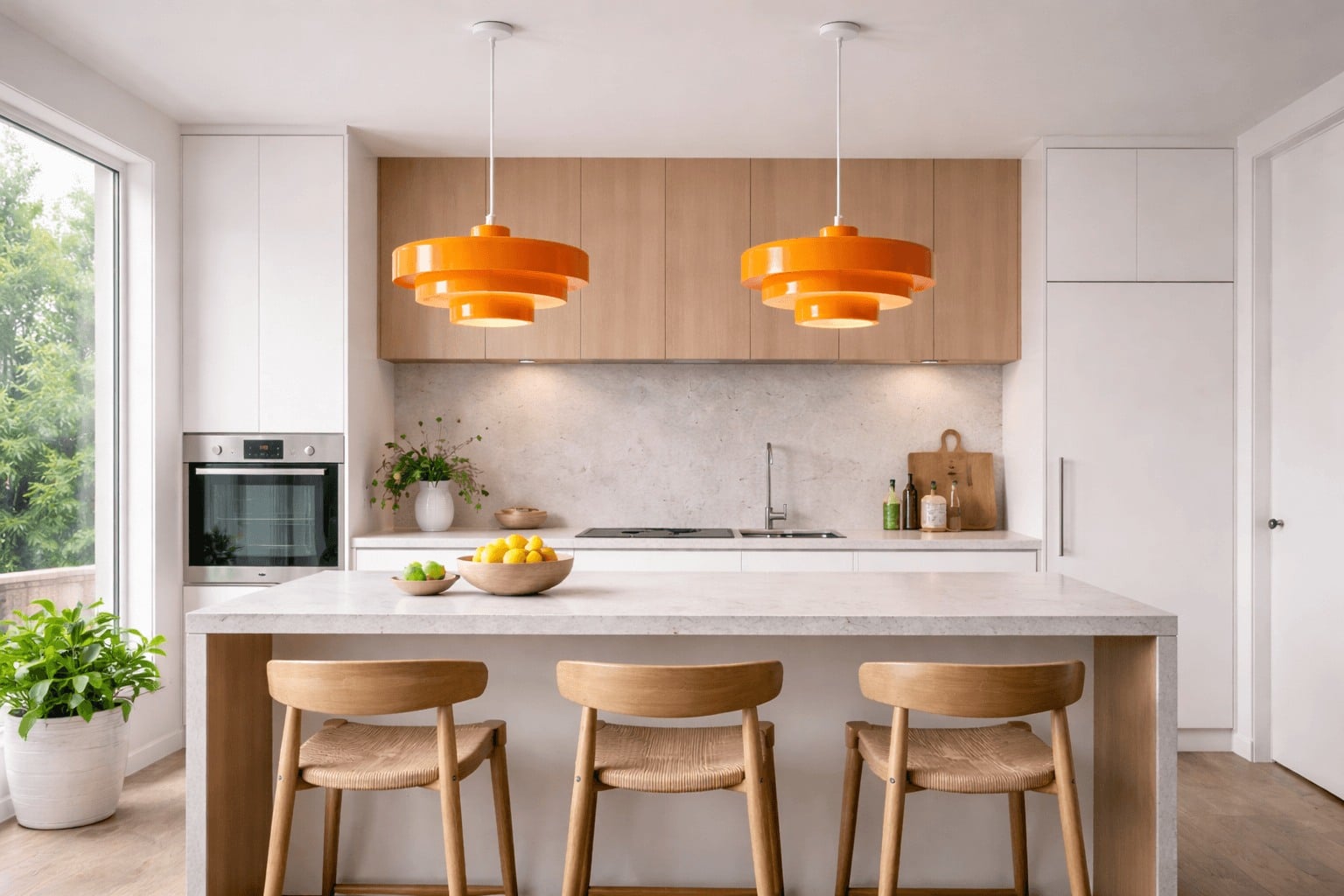
Kitchen islands do a lot of work in modern homes. They serve as prep zones, breakfast spots, casual meeting places, and sometimes even temporary workstations. Because they play so many roles, the lighting above them needs to be functional without making the room feel harsh.
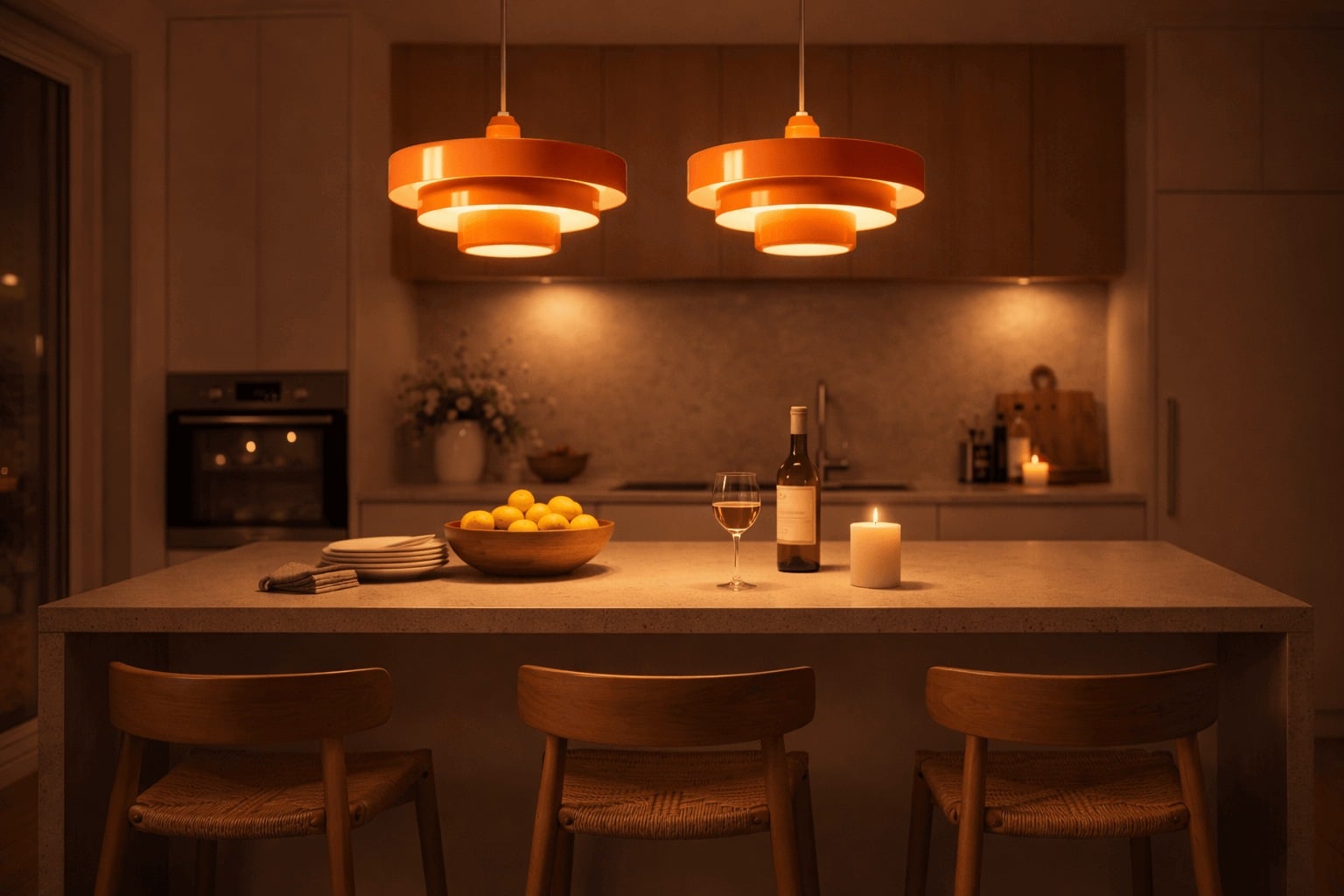
That is one reason layered pendants remain such a smart choice. A triple-layer disc pendant can provide visual structure over the island while still feeling softer than a bare exposed bulb or a rigid industrial shade.
Why Pendant Lights Work So Well Over Islands
Pendants visually define the island from above. In open-plan homes, this matters because the island often sits between the kitchen, dining, and living zones. A well-scaled pendant helps the island feel like its own destination within the room.
Pendants also provide more targeted light than many general ceiling fixtures. That makes them useful for everyday tasks while still contributing to the overall style of the kitchen.
Quick Rule of Thumb
When in doubt, choose fewer pendants with clearer visual presence instead of several small fixtures that make the ceiling feel busy.
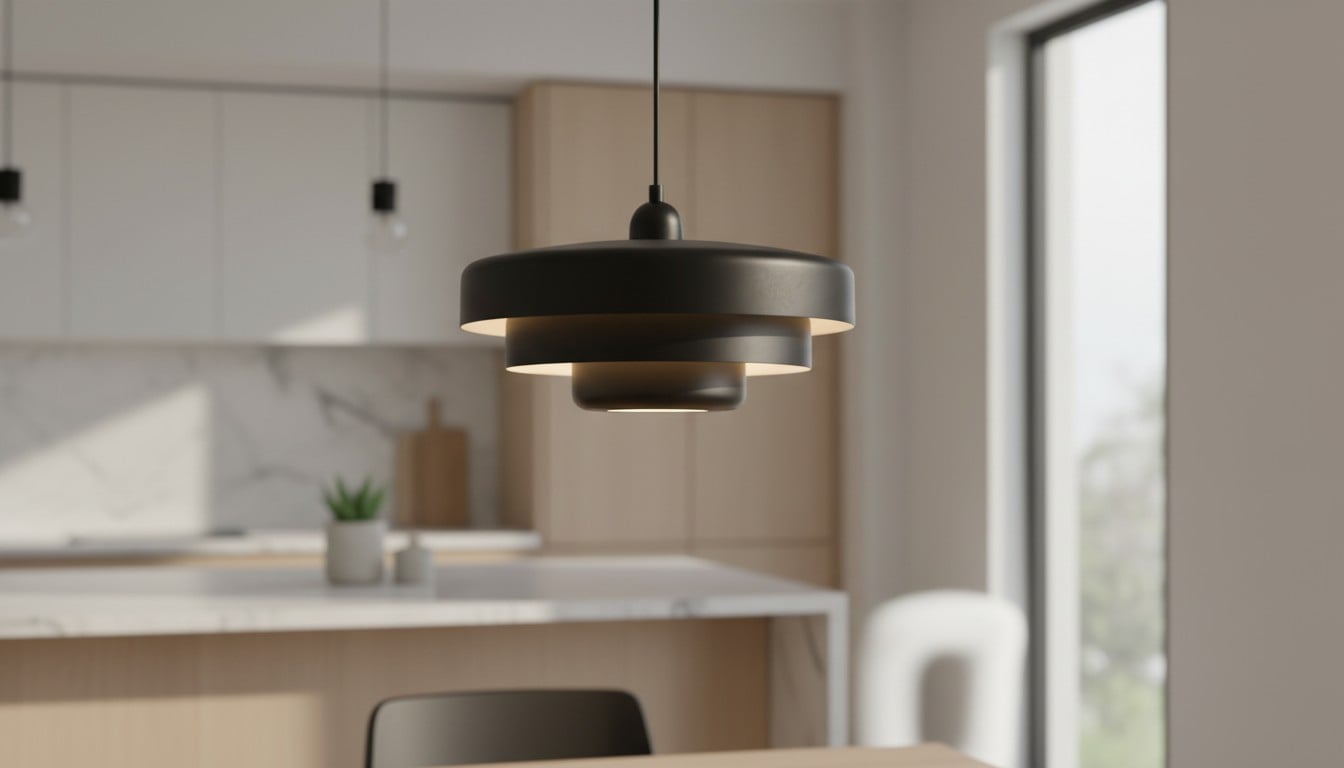
Rule #1: Match the Number of Pendants to Island Length
A simple layout rule used by many designers is to start with island length first, then pendant count. You do not need exact math in every project, but you do need proportion.
| Island Length | Suggested Layout |
|---|---|
| Under 1.2 m / 4 ft | 1 pendant |
| 1.2–2 m / 4–6.5 ft | 2 pendants |
| Over 2 m / 6.5 ft | 3 pendants |
This is only a starting point. If the pendants are more sculptural or visually wide, two may still be enough over a longer island. What matters most is avoiding a layout that feels either empty or cramped.
Rule #2: Leave Enough Space Between Fixtures
Spacing matters just as much as the number of pendants. A common guideline is to leave roughly 60–75 cm, or 24–30 inches, between the centers of the lights. This usually creates an even spread without making the fixtures feel crowded.
It also helps to center the group within the visual middle of the island instead of pushing the outer pendants too close to the ends. That keeps the composition more balanced from every angle in the room.
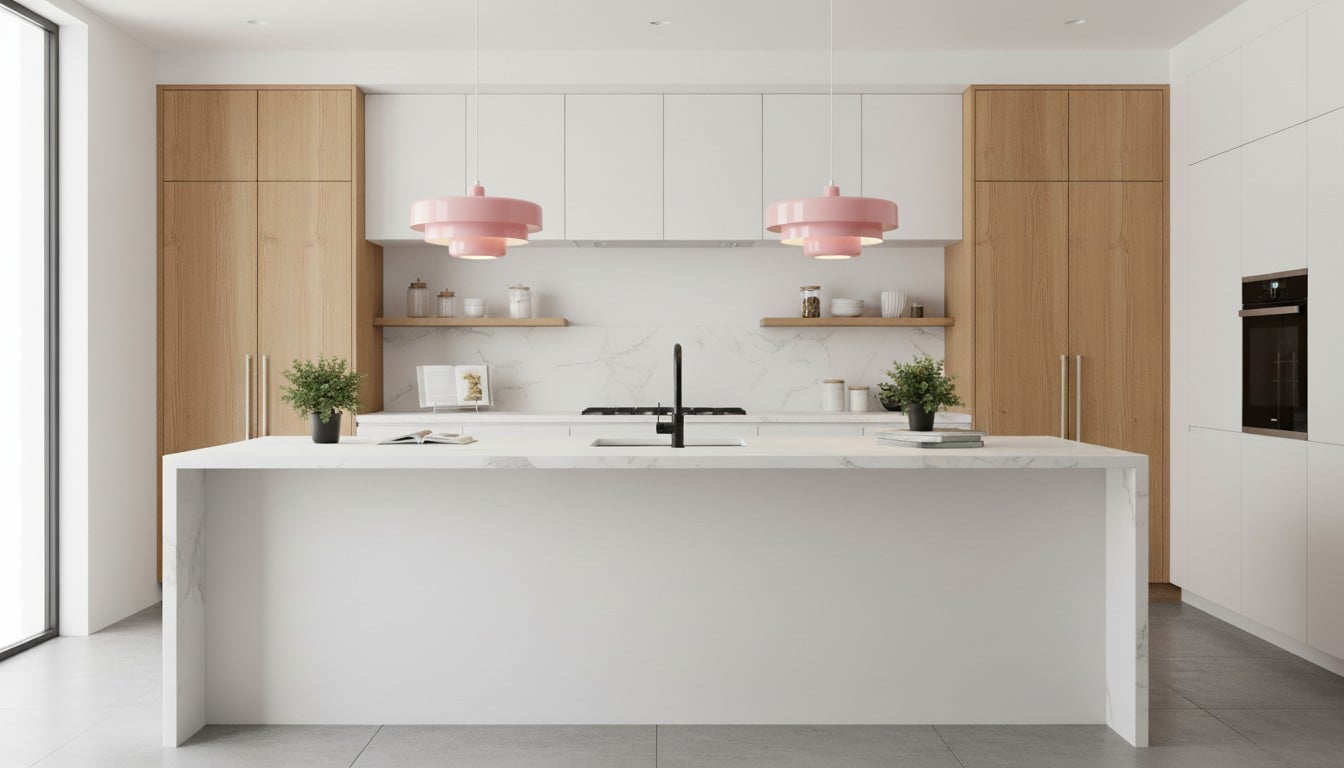
Rule #3: Size the Pendants to the Scale of the Room
Small pendants often disappear above a substantial island. Oversized pendants can look impressive, but they need enough breathing room. For many standard islands, a pendant around 25–35 cm across works comfortably. Once the island gets longer or the room opens up, larger visual volume can make sense.
This is where layered shades are especially useful. Because the shade is broken into multiple circular elements, the light can feel visually substantial without becoming bulky. A disc pendant with a multi-layer silhouette often strikes that balance well.
Why Layered Disc Pendants Feel Softer Over Work Surfaces
Kitchen lighting should help the room feel usable, but comfort still matters. Layered disc pendants soften the visual effect of the bulb and create a more composed light pattern. That makes them a strong fit for islands, breakfast areas, and dining tables where people spend time both working and gathering.
They also add shape without needing heavy ornament. This is useful if you want the lighting to feel decorative but still compatible with modern cabinetry, stone counters, and clean-lined interiors.
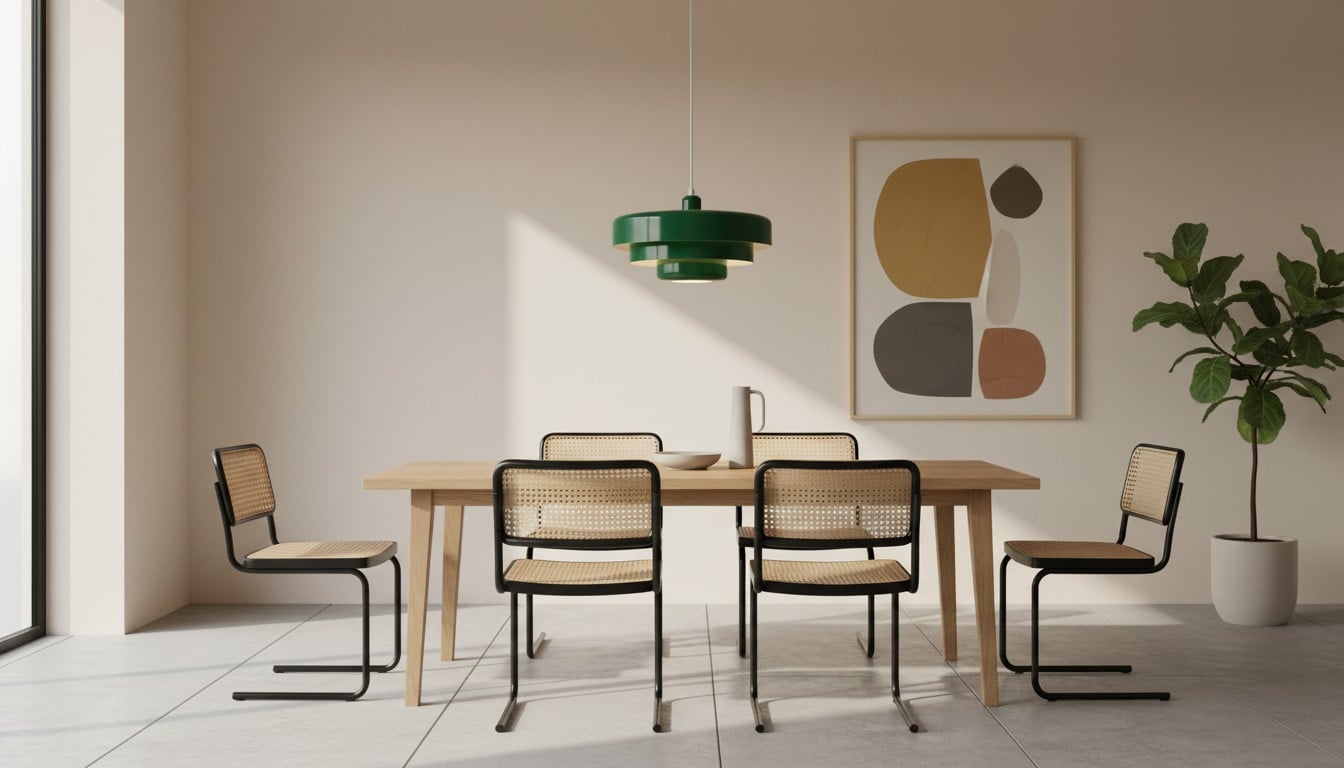
How to Use Color Without Overdoing It
Colorful pendants work best when they act as one controlled accent rather than one of many competing statements. If your kitchen already has neutral cabinetry and natural material finishes, a softly colored pendant can add energy without making the space feel restless.
This is especially effective with macaron or Bauhaus-inspired palettes, where the color feels deliberate and design-led rather than loud. In many kitchens, the pendant becomes the one place where a bit more personality makes sense.
Want a kitchen focal point that still feels practical? A layered pendant can give the island stronger visual identity while keeping the overall room comfortable. You can explore this triple-layer disc pendant here if you want that kind of balance.
What If the Ceiling Is Lower?
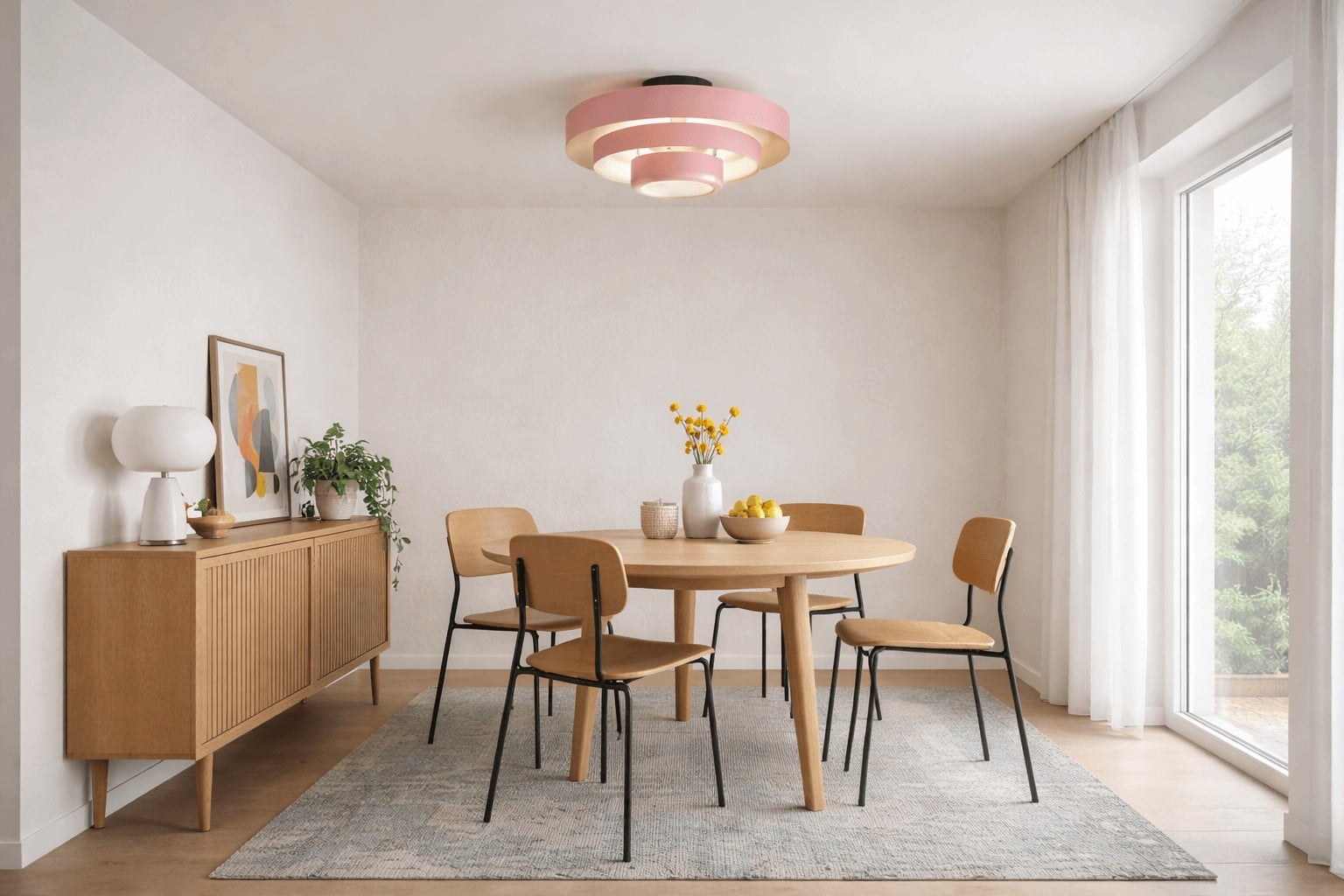
Not every space can comfortably take a hanging pendant. In breakfast nooks, lower ceilings, smaller dining zones, or circulation areas near the kitchen, a compact ceiling fixture may be the better choice.
If you like the same layered-disc look but want less visual drop, a ceiling-light version in the same style can create a similar design effect while keeping the room feeling more open.
Final Thoughts
Kitchen island lighting is less about complicated formulas and more about proportion, spacing, and visual comfort. When the number of pendants, the distance between them, and the fixture size all feel aligned, the whole kitchen looks calmer and more finished.
If you want something that feels both sculptural and approachable, layered disc lighting is a practical direction to explore. It adds design character without making the room feel too formal or overworked.
0 comment(s)